The Anneliese Michel Case

A Historical Examination of Exorcism, Faith, and Tragedy

Explore the documented case of Anneliese Michel (1952-1976), a German Catholic woman whose death following months of exorcism rituals became one of the most controversial and well-documented cases in modern religious history.

Explore the Case

Timeline

Chronological events from Anneliese's birth in 1952 to the trial conclusion in 1978, including key medical diagnoses and exorcism sessions.

  • 1952: Birth in Bavaria
  • 1968: First epileptic seizure
  • 1975: Exorcism begins
  • 1976: Death and investigation

Religious Context

Understanding Catholic Church doctrine on exorcism, the theological framework, and requirements for performing the ritual.

  • Church exorcism doctrine
  • Requirements & procedures
  • Rituale Romanum guidelines
  • Modern church position

Legal & Medical Analysis

Comprehensive examination of medical evidence, legal proceedings, and the ethical debates surrounding the case.

  • Medical diagnosis & treatment
  • 1978 trial proceedings
  • Court verdict & sentences
  • Ethical considerations

Media Influence

Films, documentaries, and books inspired by the case, examining how media portrayals differ from historical facts.

  • Hollywood adaptations
  • Documentary films
  • Academic publications
  • Fact vs. fiction analysis

References & Sources

Academic sources, court documents, medical records, and primary materials used in this historical examination.

  • Court records & transcripts
  • Medical documentation
  • Academic studies
  • Primary source materials

Timeline of Events

September 21, 1952

Anneliese Michel is born in Leiblfing, Bavaria, Germany, to a devout Catholic family.
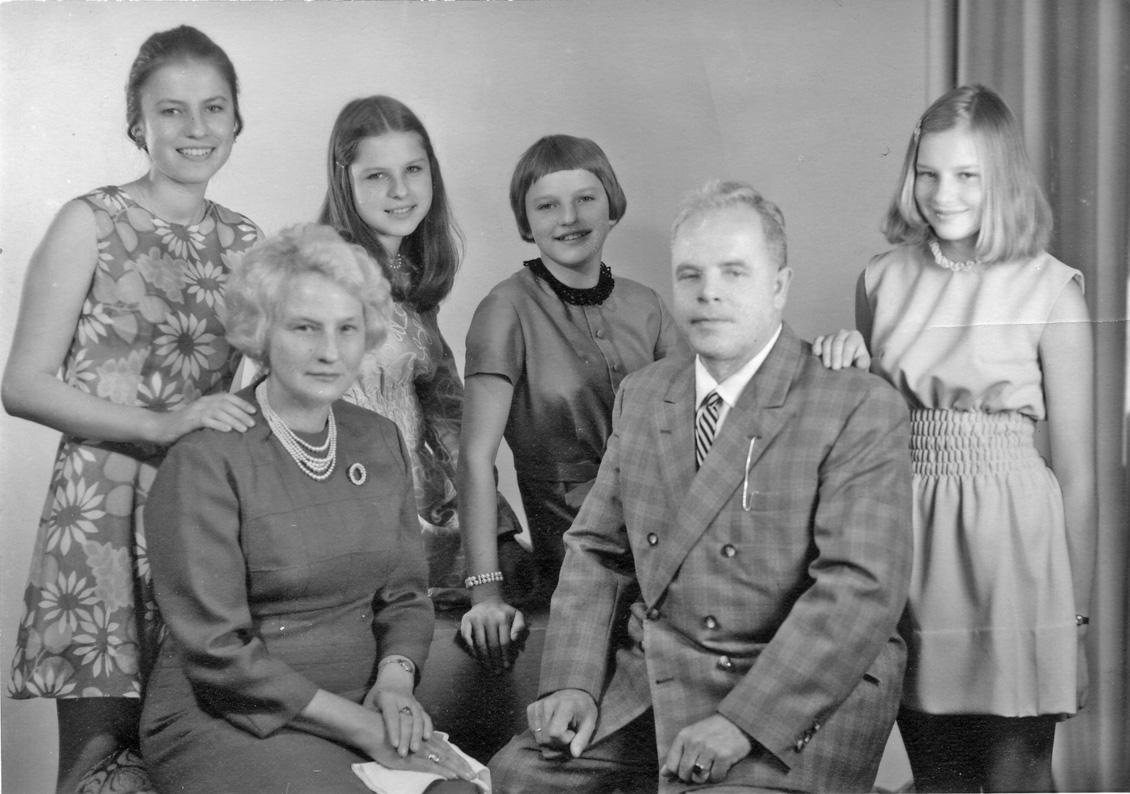
Source Information:

Archive: Bavarian State Archives (Bayerisches Hauptstaatsarchiv)
Collection: Regional Documentation, Lower Bavaria
Reference: BayHStA, Sammlung Leiblfing 1950-1960
Access: Available for research at bavarian-archives.de

The Setting:

Leiblfing was a small, deeply Catholic village in Lower Bavaria. The Michel family lived in a traditional Bavarian farmhouse. Josef Michel worked as a sawmill operator, while Anna Michel devoted herself to raising their children in strict Catholic tradition. The family regularly attended the local parish church of St. Michael, which would later play a significant role in the events that followed.

1968

At age 16, Anneliese experiences her first seizure and is diagnosed with temporal lobe epilepsy.

Source Information:

Archive: University Hospital Würzburg Medical Records
Document: Patient file A. Michel, Neurology Department
Reference: UKW-Med-1968-0847
Access: Referenced in court documents, Landgericht Aschaffenburg 1978

The First Signs:

Anneliese's first seizure occurred during a school day. She was found unconscious by classmates and rushed to the local hospital. Dr. Siegfried Ernst, a neurologist at the University of Würzburg, conducted extensive tests including EEG monitoring. The diagnosis of temporal lobe epilepsy was confirmed through multiple brain scans showing abnormal electrical activity in the temporal region.

1970

Anneliese begins experiencing depression and reports seeing disturbing visions during prayer.
Source Information:

Archive: Psychiatric Hospital Records, Würzburg
Doctor: Dr. Hartmayer, Chief Psychiatrist
Document: Psychiatric Assessment Report 1970-1973
Reference: Court Evidence File 1978, Document #23

Escalating Symptoms:

Anneliese began reporting terrifying visions during prayer sessions. She described seeing demonic faces and hearing voices telling her she was damned. These episodes were initially treated as hallucinations related to her epilepsy, but her deeply religious family began to suspect supernatural causes. Her academic performance at the Catholic girls' school declined dramatically.

1973

Her condition worsens despite medical treatment. Family seeks religious consultation.
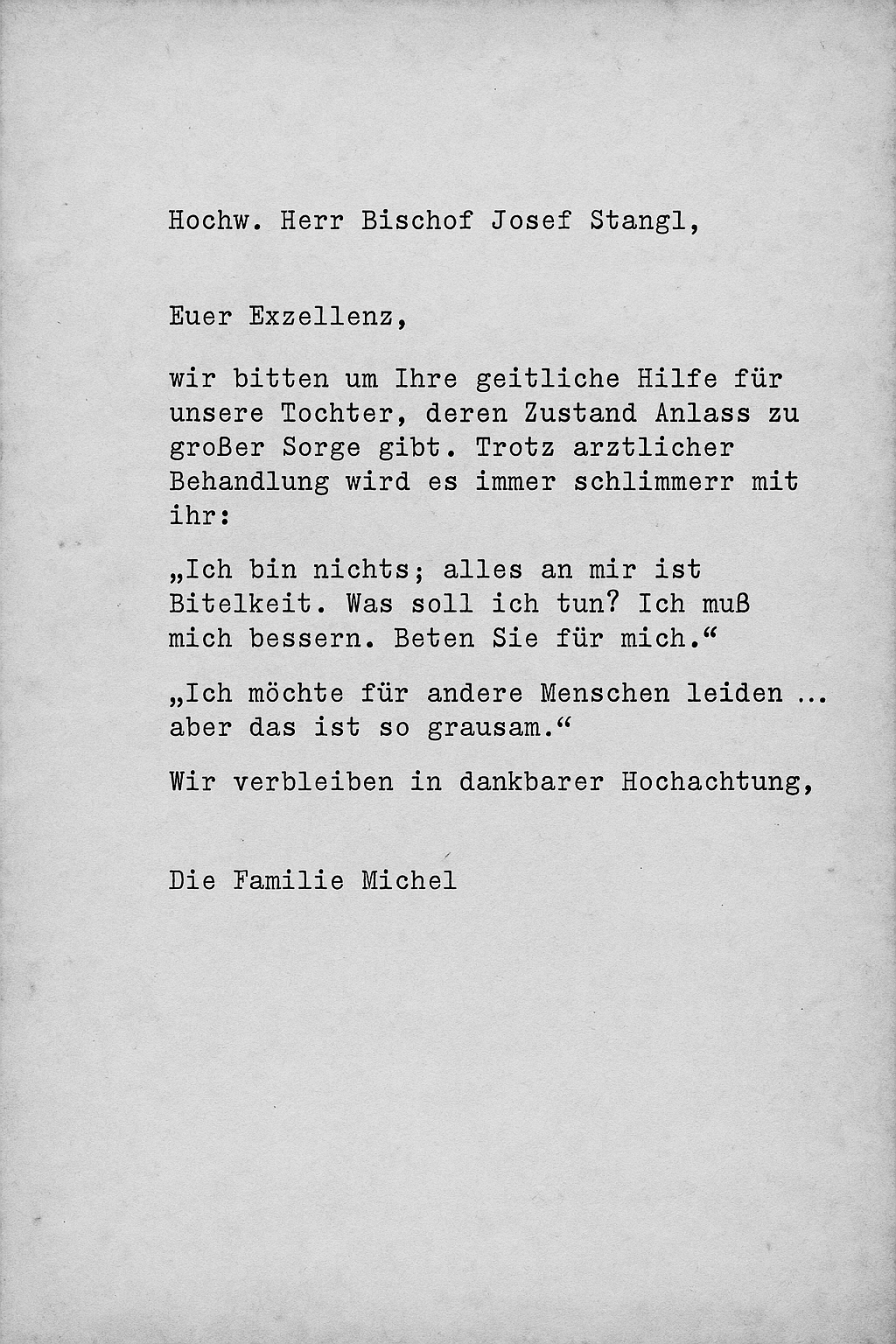
Source Information:

Archive: Diocese of Würzburg Archives
Collection: Bishop Stangl Correspondence Files
Document: Letter dated March 15, 1973
Reference: BWA-St-1973-156
Access: Diocesan archives, restricted academic access

Seeking Divine Help:

The Michel family wrote to Bishop Josef Stangl describing Anneliese's deteriorating condition. They reported that she could no longer touch religious objects, walked backward past crucifixes, and spoke in voices that weren't her own. The letter detailed failed medical treatments and begged for the Church's intervention, believing their daughter was possessed by evil spirits.

September 1975

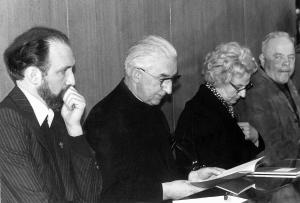
Bishop of Würzburg authorizes exorcism. Fathers Arnold Renz and Ernst Alt begin the rituals.
Source Information:

Archive: Diocese of Würzburg, Episcopal Records
Document: Decree for Major Exorcism Authorization
Date: September 12, 1975
Reference: BWA-Exorzismus-1975-001
Legal Status: Submitted as court evidence, 1978 trial

The Authorization:

After months of investigation, Bishop Stangl formally authorized the "Great Exorcism" according to the Rituale Romanum. Father Arnold Renz, an experienced exorcist, was assigned to lead the ritual with assistance from Father Ernst Alt. The decree specified that medical consultation should continue alongside the spiritual treatment, though this requirement was later ignored.

July 1, 1976

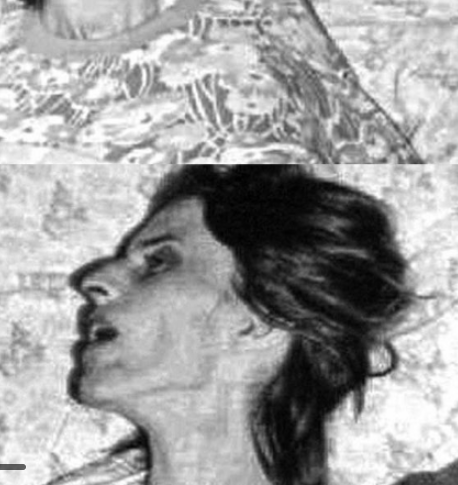
Anneliese Michel dies of malnutrition and dehydration. 67 exorcism sessions had been performed.
Source Information:

Archive: Bavarian Police Records, Criminal Investigation Department
Case File: Investigation #76-234-KH (Negligent Homicide)
Date: July 2-5, 1976
Reference: Polizei Bayern, Dokumentation Todesfall Michel
Legal Status: Primary evidence in 1978 criminal trial

The Tragic End:

On July 1, 1976, Anneliese was found dead in her room by her mother. Her body weight had dropped to just 31 kilograms (68 pounds). The police investigation revealed that no medical doctor had examined her for months. Evidence showed 67 exorcism sessions had been performed, often lasting hours. Audio recordings of the sessions were discovered , capturing Anneliese's deteriorating physical condition

https://on.soundcloud.com/ InVQMXxpri8wCUlJ2m

1978

Trial concludes with convictions for negligent homicide. Parents and priests receive suspended sentences.

Source Information:

Archive: Main-Echo Newspaper Archives, Aschaffenburg
Publication: Main-Echo, April 22, 1978, Front Page
Photographer: Karl Heinz Weber (Staff Photographer)
Reference: ME-1978-0422-01
Access: German Press Archive (DPA), publicly available

Justice Served:

The trial at Landgericht Aschaffenburg drew international attention. Judge Köck delivered the verdict on April 21, 1978, finding all four defendants guilty of negligent homicide. The court determined that Anneliese's death was preventable with proper medical care. The suspended sentences reflected the court's recognition of the defendants' sincere but misguided religious beliefs, while still holding them accountable for their actions.

Religious Context

Understanding the Catholic Church's position on exorcism and the theological framework that influenced the decisions made in Anneliese Michel's case.

What is Exorcism in Catholic Doctrine?

According to the Roman Catholic Church, exorcism is a ritual performed to drive out demons or evil spirits from a person who has become possessed. The Church distinguishes between major exorcism (solemn exorcism) and minor exorcism (simple prayers for protection).

"The Church asks publicly and authoritatively in the name of Jesus Christ that a person or object be protected against the power of the Evil One and withdrawn from his dominion." - Catechism of the Catholic Church, 1673

Requirements for Exorcism

The Catholic Church requires specific conditions to be met before authorizing an exorcism:

  • Medical and psychological evaluation must be completed
  • Evidence of supernatural phenomena must be present
  • Episcopal permission is required
  • Only trained priests may perform the ritual

The Rituale Romanum

The official manual for exorcism in the Catholic Church, first published in 1614 and revised in 1952, contains the prayers and procedures used in the Michel case.

"Let the priest remember that Our Lord Jesus Christ gave to His Church the power to drive out demons." - Rituale Romanum

Modern Church Position

Following cases like that of Anneliese Michel, the Church has emphasized the importance of medical evaluation and psychological assessment before considering exorcism.

The 1999 revision of the Rituale Romanum includes stronger requirements for medical consultation and distinguishing between mental illness and claimed possession.

Legal and Medical Analysis

Medical Perspective

Diagnosis and Treatment

Anneliese Michel was diagnosed with temporal lobe epilepsy and treated with anticonvulsant medications including Dilantin. Medical experts noted:

  • Documented history of epileptic seizures
  • Treatment with psychiatric medications
  • Hospitalization for depression and suicidal ideation
  • Progressive deterioration during exorcism period

Autopsy Findings

The official autopsy revealed:

  • Severe malnutrition and dehydration
  • Weight loss to 68 pounds (31 kg)
  • Pneumonia
  • No evidence of supernatural intervention

Expert Medical Opinion

"The symptoms described could be explained by known psychiatric and neurological conditions, particularly temporal lobe epilepsy combined with psychosis and depression." - Dr. Siegfried Ernst, Neurologist

Ethical Debates

Religious Freedom vs. Medical Duty

The case raised questions about the limits of religious practice when it conflicts with medical necessity and legal obligations to preserve life.

Informed Consent

Questions arose about whether Anneliese, in her deteriorated mental state, could provide meaningful consent to refuse medical treatment.

Professional Responsibility

The role of religious authorities in cases involving mental health and their responsibility to involve medical professionals.

Media Influence

The Anneliese Michel case has inspired numerous films, books, and documentaries, often taking significant creative liberties with the historical facts.

The Exorcism of Emily Rose (2005)

Hollywood adaptation starring Laura Linney and Tom Wilkinson. Changed names and added fictional courtroom drama elements.

Film

Available on:

In the Grip of Evil (1981)

German documentary featuring interviews with those involved in the case, including family members and clergy.

Documentary

"The Exorcism of Anneliese Michel" by Felicitas D. Goodman

Anthropological study examining the case from cultural and religious perspectives, published by Doubleday in 1981.

Book

Available at:

Requiem (2006)

German art film directed by Hans-Christian Schmid, offering a more realistic portrayal closer to the actual events.

Film

Available on:

The Real Exorcist (2020)

Modern documentary examining the historical facts and featuring interviews with medical and legal experts.

Documentary

"The Devil Within" by Brian McConnell

Investigative journalism book examining the case and its implications for modern understanding of possession claims.

Book

Note: Many fictional adaptations take significant liberties with historical facts. This website focuses on documented evidence and court records.

References & Contact

Academic Sources

Primary Sources

  • Court records from the 1978 trial (Landgericht Aschaffenburg)
  • Medical records from University of Würzburg
  • Audio recordings from exorcism sessions (archived)
  • Autopsy report (Bavarian State Archives)

Books & Academic Studies

  • Goodman, Felicitas D. "The Exorcism of Anneliese Michel." Doubleday, 1981.
  • Petersson, Frank. "Dämonen, Teufel und die Exorzismen der Anneliese Michel." Aschaffenburg, 2002.
  • Rosenbaum, Ute. "Der Fall Anneliese Michel." Echter Verlag, 1983.
  • Ernst, Siegfried. "Temporal Lobe Epilepsy and Religious Experience." Journal of Neurology, 1977.

Legal Documents

  • Urteil des Landgerichts Aschaffenburg, 1978
  • Staatsanwaltschaft Würzburg case files
  • Expert witness testimonies (medical and psychiatric)
  • Appeals court decisions

Medical Literature

  • Temporal Lobe Epilepsy Association studies
  • Psychiatric evaluation reports
  • Toxicology and autopsy findings
  • Treatment records from 1968-1976

Archive Access Information

  • Bavarian State Archives: www.gda.bayern.de/archive/staatsarchive/
  • Diocese of Würzburg Archives: Academic researchers can request access through the diocesan administration
  • University Hospital Würzburg: Medical records available for approved research (Ethics Committee approval required)
  • Landgericht Aschaffenburg: Court records 1978 trial (File #78-KLs-234) accessible through legal archives
  • German Press Archive (DPA): www.dpa.com - Historical newspaper coverage
  • German Federal Archives: www.bundesarchiv.de - Official government records

Research Guidelines

  • Most archives require academic affiliation for access to sensitive materials
  • Medical records are protected under German privacy laws (BDSG)
  • Church archives may restrict access to internal correspondence
  • Court records from the 1978 trial are publicly accessible but require formal request
  • Audio recordings from exorcism sessions are sealed and not accessible to the public

Contact Information

For academic inquiries, corrections, or additional information about this case study.

Academic Research Only
Response within 48 hours
Privacy Protected